
Know Your Coffee
Find your fix - coffee strength and flavour guide
3
min read
How strong do you like your coffee? Understanding what you enjoy and why can enrich your coffee experience. When you’re choosing a coffee blend at your local store or online, you’ve probably noticed numbers on the side of the jar or pack, usually ranging from 1-10. Many of us assume that these numbers denote the coffee’s strength, but there’s a bit more to it than that!

Is number 10 the strongest coffee?
The truth is the higher the number, the darker the roast. This means you’ll get a stronger flavour profile that’s usually more bitter, punchier and intense. Dark roast coffee is roasted past the second crack (the ‘crack’ is when the coffee makes an audible pop like popcorn, most roasts will reach the first crack). This allows for more natural oils to be released which creates a much punchier, more full-bodied flavour. Lighter roasts on the other hand usually offer drier, fruitier flavours.
The numbers on the coffee strength scale tend to reflect the intensity of the flavour rather than the caffeine content, with the higher numbers more bitter and dark and the lower numbers lighter and fruitier.

How roasting impacts coffee flavour
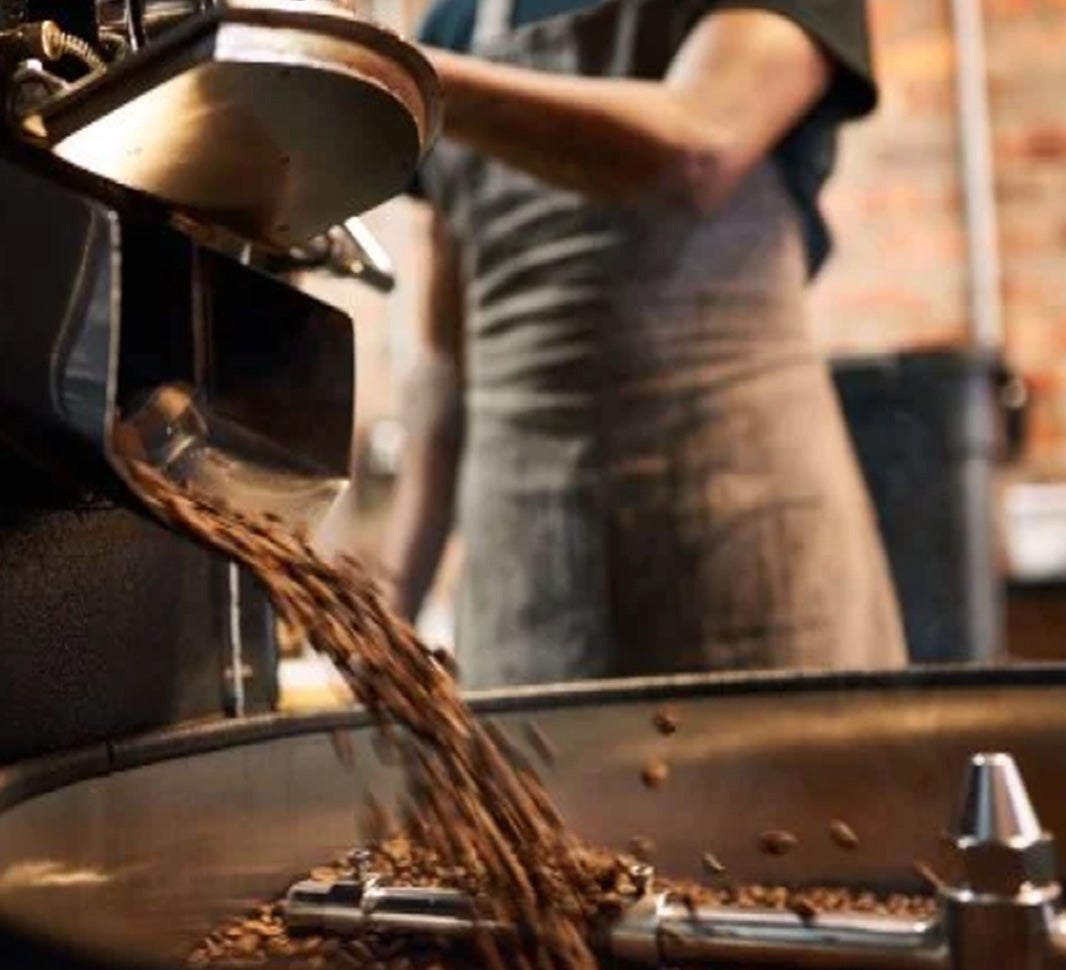
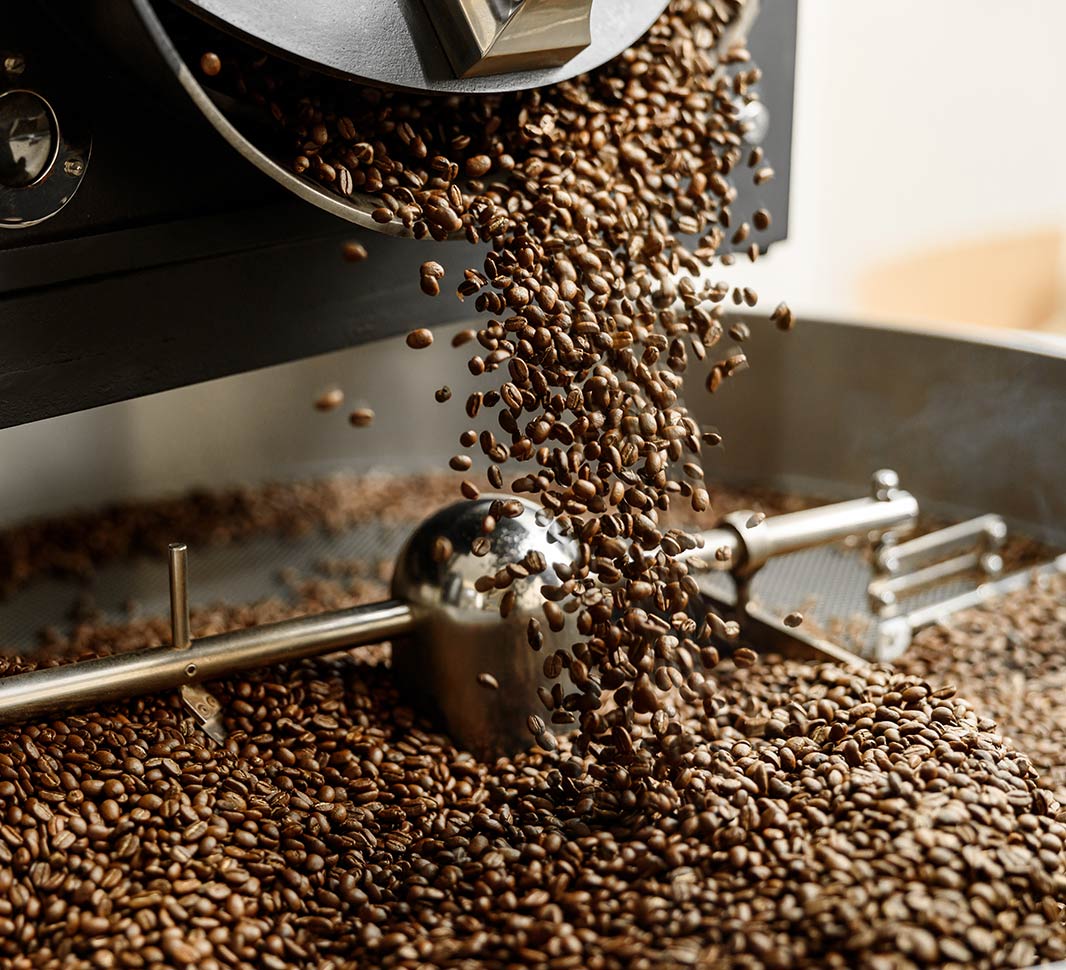
The flavour of your coffee owes a lot to the roasting process. Before roasting, coffee beans are actually green and possess a grassy scent. It’s during the roasting process that different roast profiles are developed and each blend is carefully crafted by master roasters, to ensure each sip is as delicious as the last. Generally, the longer beans are roasted, the more natural oils are released from the coffee beans, giving them a stronger and more bitter taste.
Did you know instant coffee is known to contain less caffeine than brewed coffee? This is because of the difference brewing methods involved, which leave the grinds in contact with water for longer.

Coffee strength scale
Here’s a rough guide if you’re wondering what the coffee strength numbers mean. But bear in mind, different brands may scale their coffees differently.
Generally lighter and more citrusy in flavour, which is due to the fact that the beans aren’t roasted long enough for the oils to break through.
Well-balanced and smooth, which makes it a popular choice - the beans possess a non-oily surface.
Full-bodied and well-rounded with a slightly oily surface. Our iconic NESCAFÉ® Classic is a medium dark roast coffee that’s perfectly balanced.
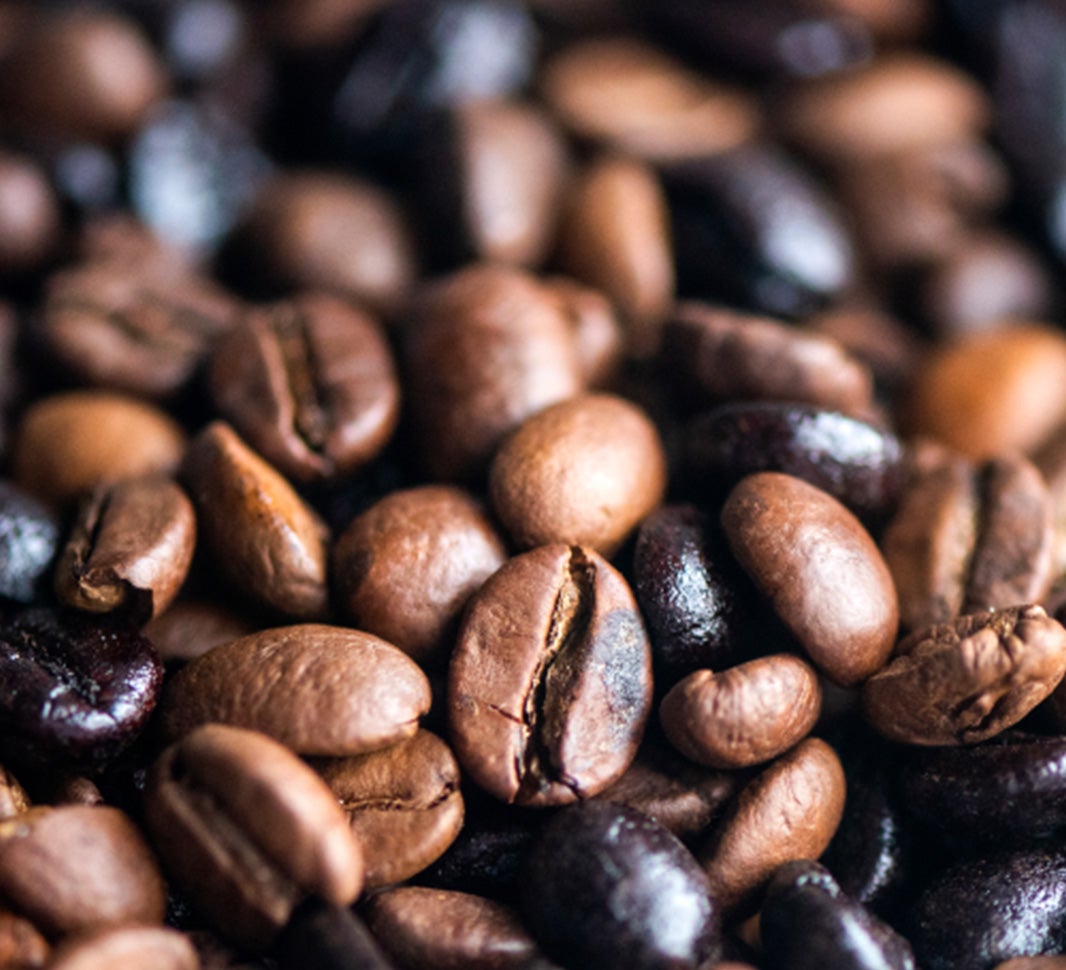
Rich and intense. The beans will be very shiny with lots of oil and dark in colour.
Almost bitter tasting and extremely intense. The coffee beans will be shiny and black and appear almost charred. NESCAFÉ® CLASSIC Espresso is our darkest roast yet and carefully crafted for rich flavour.
Light roast coffee
Generally lighter and more citrusy in flavour, which is due to the fact that the beans aren’t roasted long enough for the oils to break through.
Medium roast coffee
Well-balanced and smooth, which makes it a popular choice - the beans possess a non-oily surface.
Medium-dark roast coffee
Full-bodied and well-rounded with a slightly oily surface. Our iconic NESCAFÉ® Classic is a medium dark roast coffee that’s perfectly balanced.
Dark roast coffee
Rich and intense. The beans will be very shiny with lots of oil and dark in colour.
Very dark roast coffee
Almost bitter tasting and extremely intense. The coffee beans will be shiny and black and appear almost charred. NESCAFÉ® CLASSIC Espresso is our darkest roast yet and carefully crafted for rich flavour.
What impacts the caffeine content in coffee?
There are a few factors which may affect the caffeine content of your coffee. Some start before you even get your hands on it, but it’s worth knowing that the way you brew it may have an impact too.
One of the biggest influences on caffeine content begins with the coffee beans used in the blend. Arabica beans are often the most popular due to their smoother taste, but Robusta beans actually contain up to twice the caffeine content. Most instant coffee blends will use a combination of the two.
1. The coffee beans
One of the biggest influences on caffeine content begins with the coffee beans used in the blend. Arabica beans are often the most popular due to their smoother taste, but Robusta beans actually contain up to twice the caffeine content. Most instant coffee blends will use a combination of the two.

2. The size of the grind
Interestingly, the smaller the grind, the more caffeine the blend contains. Incredibly fine ground coffee boasts the highest extraction and thus, the most caffeine content. Coffee usually comes ground as one of the following:
Not only does the ratio of coffee to water impact the caffeine content, but so does the temperature you brew it at. In fact, the hotter the water, the more caffeine that gets extracted from the coffee. Also, instant coffee is known to contain less caffeine than brewed coffee. This is because of the difference brewing methods involved, which leave the grinds in contact with water for longer.
Interestingly, the smaller the grind, the more caffeine the blend contains. Incredibly fine ground coffee boasts the highest extraction and thus, the most caffeine content. Coffee usually comes ground as one of the following:
- Extra fine: powdery and light in texture, like confectioner’s sugar
- Fine: soft and will stick together when pressed, looks like finely milled salt
- Medium fine: gritty texture, almost like sand<
- Medium: crumbly, likened to peat moss
- Medium coarse: looks and feels like rocky sand
- Coarse: feels like particles of clay flaky sea salt in appearance
- Extra coarse: looks like ground peppercorns and feels like broken shells
3. How you brew your coffee
Not only does the ratio of coffee to water impact the caffeine content, but so does the temperature you brew it at. In fact, the hotter the water, the more caffeine that gets extracted from the coffee. Also, instant coffee is known to contain less caffeine than brewed coffee. This is because of the difference brewing methods involved, which leave the grinds in contact with water for longer.
When it comes to knowing coffee, understanding strength and flavour will make your world so much rewarding.
Today’s community favourites
Discover some of the most enjoyed articles from across the site